Looking for engineered galvanized fastener solutions?
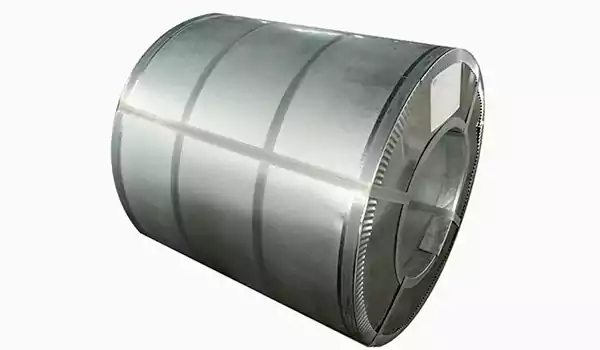
Opting for the best metal conduit for construction needs depends on grasping its technical details and possible uses. Frequent specifications list material, diameter, extent, and acceptable deviations. Elements including pressure capacity, heat resistance, and anti-corrosion qualities guide pipe choice for industrial, commercial or household applications. Piping systems are used in erection projects, manufacturing plants, infrastructure networks, water and gas delivery, waste removal, framework support and tailored industries
- Understanding the project's exact requirements is vital to select the correct pipe
- Check regulatory standards and technical codes for comprehensive metal pipe specs
- Opt for materials that match pressure requirements, heat exposure and corrosion conditions
Tubular Steel: Strengthiness, Endurance, and Multipurpose Use
Drawn steel tubes are celebrated for their load-bearing power and are commonly used in industrial, structural and commercial applications. Their remarkable lifespan comes from specific construction and forming techniques. Engineered by converting steel billets and rods into seamless or welded tubes, they provide strong anti-corrosion and wear properties for extended durability in challenging environments. Versatile tube steel can be fabricated into broad ranges of profiles—from standard tubes to complex geometries—for bespoke applications. In applications ranging from large infrastructure projects and building frameworks to detailed machinery and tooling, tube steel's durability, strength and formability establish it as an indispensable construction and manufacturing materialExpanded Metal Mesh for Enhanced Security and Safety
Expanded metal mesh is a growing selection for applications needing strong security and elevated safety. The mesh's open pattern preserves visibility while creating a secure physical obstruction to intrusion and danger. You can tailor aperture patterns and sheet thickness to fulfill specialized criteria
- Robust expanded metal endures blunt force, corrosive vandalism and adverse weathering
- What's more, effortless installation and low-care needs boost its usage across different domains
- From infrastructure protection to worker safety in industrial contexts, expanded metal supplies a holistic security and safety option
Industrial Applications of Steel Mesh
Steel mesh sees broad industrial application due to high strength, long life and adaptable function. It offers a solid framework suitable for filtration, screening, structural reinforcement and protection. Builders regularly use steel mesh as reinforcement in concrete to raise tensile strength and curb cracks. Moreover, steel mesh serves in bridge works, tunnel linings and other civil projects to provide support and load distribution. Production lines use steel mesh in filters and screens to separate materials of distinct sizes, enabling sieving, sorting and purification. Steel mesh fulfills safety functions in guardrails, fences and enclosures that block unauthorized access and shield personnel. High tensile strength makes steel mesh suitable for resisting impacts and forces, delivering dependable protection in tough environments
Structural Deployments for Metal Tubes
Inherent robustness makes metal pipes indispensable for diverse structural applications. Their malleability permits the formation of strong frameworks for diverse load-bearing structures across industries. From high-rise structures to bridges and buried pipelines, metal pipes act as supporting backbones that resist environmental pressures. Corrosion protection and ability to be readily formed enhance their significance in contemporary building practices
Choosing the Correct Tube Steel for Your Build
In any structural or fabrication project, selecting suitable tube steel is a major consideration. Tube steel combines strength, longevity and lighter weight, making it fit for various applications. Although tube steel is versatile, the number of grades and specs can make selection challenging
- Assess the intended role, load demands and operating environment to ensure success
- Elements like wall thickness, cross-sectional diameter and material grade directly influence outcomes
For heavy structural projects, high-yield or heavy-gauge tube steel with thicker walls may be appropriate, while lightweight uses like bicycle frames could use thinner-walled, lighter steel
Consult experienced engineers or trusted metal suppliers to identify the optimal tube steel for your project needs
Benefits of Using Expanded Metal in Construction
Expanded metal provides several functional and performance benefits suited to construction. Being lightweight it simplifies handling and installation while cutting labor expenses. Furthermore, the open weave increases airflow and aids drainage, minimizing moisture problems. High durability positions it hot-rolled coil as an appropriate choice for heavy-duty resistance needsMetal Pipe Connection Fundamentals
Metal pipe fittings act as necessary parts of plumbing systems to ensure uninterrupted flow of liquids and gases. Selecting an appropriate joint is determined by diameter, substrate, rated pressure and intended use. Typical joint choices involve threaded, flanged and welded connections which differ in strength and leak resistance. Threaded connections fasten male and female threads together, flanged types secure plates with bolts, and welded types create permanent seals by applying heat and pressure. Understanding characteristics of each joint type is crucial for achieving leak-free, operational pipingMake-and-Create Uses of Steel Mesh
Steel mesh provides robustness, longevity and flexibility for diverse DIY tasks. The perforated, linked structure makes it appropriate for fences, screens and visual fixtures. Additionally, it is lightweight and easy to handle, popular among both novice and experienced DIYers
- Think about employing steel mesh in your upcoming DIY build
Steel Pipes: From Plumbing to Architectural Reinforcement
Metallic pipes are now indispensable in modern infrastructure and construction because of their strength, longevity and flexibility. While once primarily for plumbing, metal pipes have developed into structural reinforcement and support elements. From building bases to distribution networks for water and gas, metal pipes play key practical roles in infrastructure and daily life. Their solid construction supports high-pressure applications and corrosion immunity helps ensure long-term dependable performance. Besides, pipes’ adaptability makes them easy to form into various setups to satisfy different application requirements
Design Flexibility and Functionality of Expanded Metal
Expanded metal presents unique design possibilities while offering strong functionality. Because of its open pattern it fits applications ranging from visual architectural accents to safety systems in industry. Robust expanded metal withstands considerable loads and still provides attractive appearance
- Plus, the open structure enhances airflow and is well-suited to areas needing thermal regulation or cooling
- Expanded metal is applied in construction, industrial fabrication, transportation, automotive and artistic installations